

If summer is a season of patiently waiting for the cool embrace of the monsoon, the monsoon itself becomes a lesson in resilience for all of us Keralites. The monsoon arrives in Kerala not with subtlety, but with drama. Dark clouds gather over the backwaters, rain drums steadily on tiled roofs, and the landscape turns a deeper shade of green. As the weather changes, so do the rhythms of daily life.
The kitchen becomes warmer, meals become heartier, and recipes passed down through generations return to the dining table.
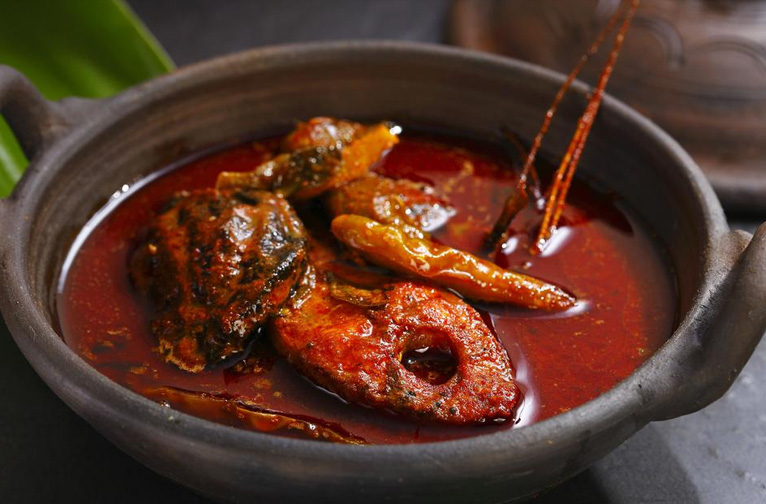
Fish Mulakku Curry (meen mulakittathu) P.C: alphonsostories.com
For centuries, Kerala's monsoon cuisine has been shaped by the understanding that food is more than nourishment. It is comfort, protection, and a way to stay healthy through months of rain and humidity.
Here are some of the traditional dishes that make Kerala's monsoon season so special.
When the rain changes the kitchen
The arrival of the monsoon not only transforms Kerala's landscape, but also transforms its kitchens as well.
The light meals and cooling drinks of summer quietly make way for steaming curries, freshly cooked rice, pepper-laced rasams (broths), and slow-cooked gravies. Across villages and towns, meals become warmer, richer, and intentionally seasonal. This isn't merely a matter of taste; it is wisdom refined over generations.
For centuries, families in Kerala have adapted their cooking to the changing climate. Continuous rain, cooler temperatures, and high humidity have traditionally been associated with slower digestion and increased susceptibility to seasonal illnesses. Long before nutrition became a scientific discussion, households instinctively responded by preparing meals that were fresh, warming, and easy to digest.
Spices such as black pepper, ginger, garlic, turmeric, and cumin became everyday companions in the kitchen. Together, they created flavours that were bold enough to brighten a grey rainy day while reflecting generations of culinary knowledge rooted in the land.
So, the monsoon is quintessentially a season to witness as well as a season to taste.
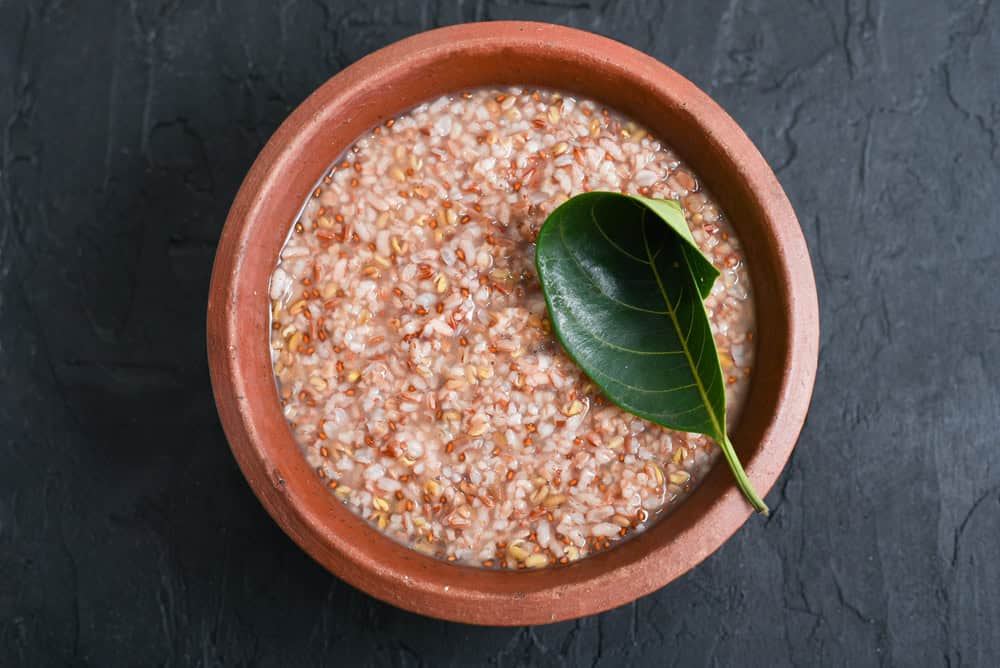
Karkidaka Kanji (P.C: leelajani.com)
Karkidakam: Kerala's month of healing
Among all the months in the Malayalam calendar, none is more closely associated with wellness than Karkidakam, the peak monsoon month.
Traditionally known as the month of rejuvenation, Karkidakam has long been regarded as a time to restore both body and mind after months of changing weather and agricultural work. Ayurvedic practices become an important part of daily life, and the kitchen naturally follows this philosophy.
At the heart of this seasonal tradition is Karkidaka Kanji, also known as Oushadha Kanji—a nourishing medicinal porridge prepared with Navara rice, herbs, spices, fenugreek, coconut milk, and other ingredients chosen for their restorative qualities.
Served warm, the porridge is believed to support digestion, improve immunity, and help the body adapt to the damp monsoon climate. For many families, preparing Karkidaka Kanji remains an annual ritual that beautifully reflects Kerala's understanding that food can be both nourishment and medicine.
The ingredients that define Kerala's monsoon cuisine
Traditionally, our ancestors chose spices and ingredients that strengthened the body's resistance during the monsoon. We follow their wisdom by choosing spices like black pepper, ginger, garlic, turmeric and cumin seeds as our monsoon cooking ingredients.
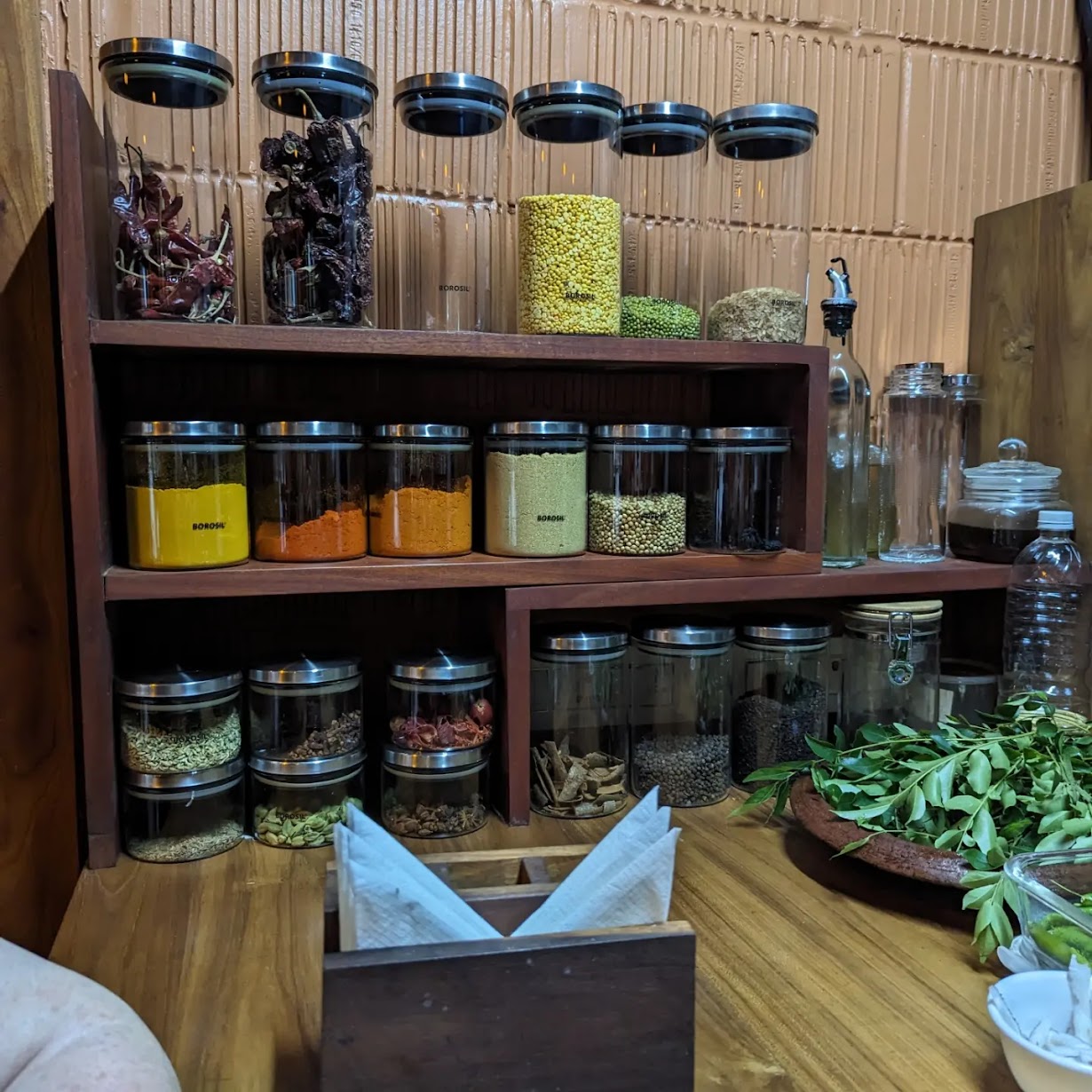
- Black pepper, once known as "Black Gold," has shaped Kerala's culinary history for centuries. During the monsoon, it appears generously in rasam, curries, soups, and home remedies, lending warmth and depth to almost every meal.
- Fresh ginger and garlic become indispensable in everyday cooking. Their aromatic flavour enriches curries while adding a comforting warmth that feels especially welcome on rain-soaked afternoons.
- Turmeric continues its quiet presence in almost every preparation, contributing both colour and earthiness to Kerala's cuisine.
- Cumin seeds are used as a common spice that cools as well as aids digestion during monsoon.
- Coconut—the constant foundation of Kerala's cooking. Whether freshly grated, ground into rich pastes, or pressed into creamy coconut milk, it binds together flavours that have become inseparable from the state's culinary identity.
Traditional dishes that return with rain
Some dishes simply taste better when rain taps gently against tiled roofs. In Kerala, many of these recipes appear almost instinctively with the arrival of the monsoon.
Kappa and Meen Curry
Few combinations are as iconic as Kappa and Meen Curry.
Soft, freshly cooked tapioca pairs beautifully with fiery red fish curry simmered with kudampuli (Malabar tamarind), chilli, and aromatic spices. The creamy texture of tapioca balances the bold flavours of the curry, creating a meal that has comforted generations of Keralites.
There is something unforgettable about enjoying hot fish curry while the cool monsoon breeze drifts through the veranda—a simple pleasure that no fine-dining experience can truly replicate.
Rasam: Comfort in a Bowl
Every Kerala household has its own version of rasam, but its purpose remains the same.
Prepared with tamarind, tomatoes, black pepper, garlic, and fragrant spices, rasam offers warmth on cool evenings and lightness after a hearty meal. Some enjoy it as a soup, while others generously pour it over steaming rice.
Its peppery aroma alone feels capable of lifting the mood on a rainy day.
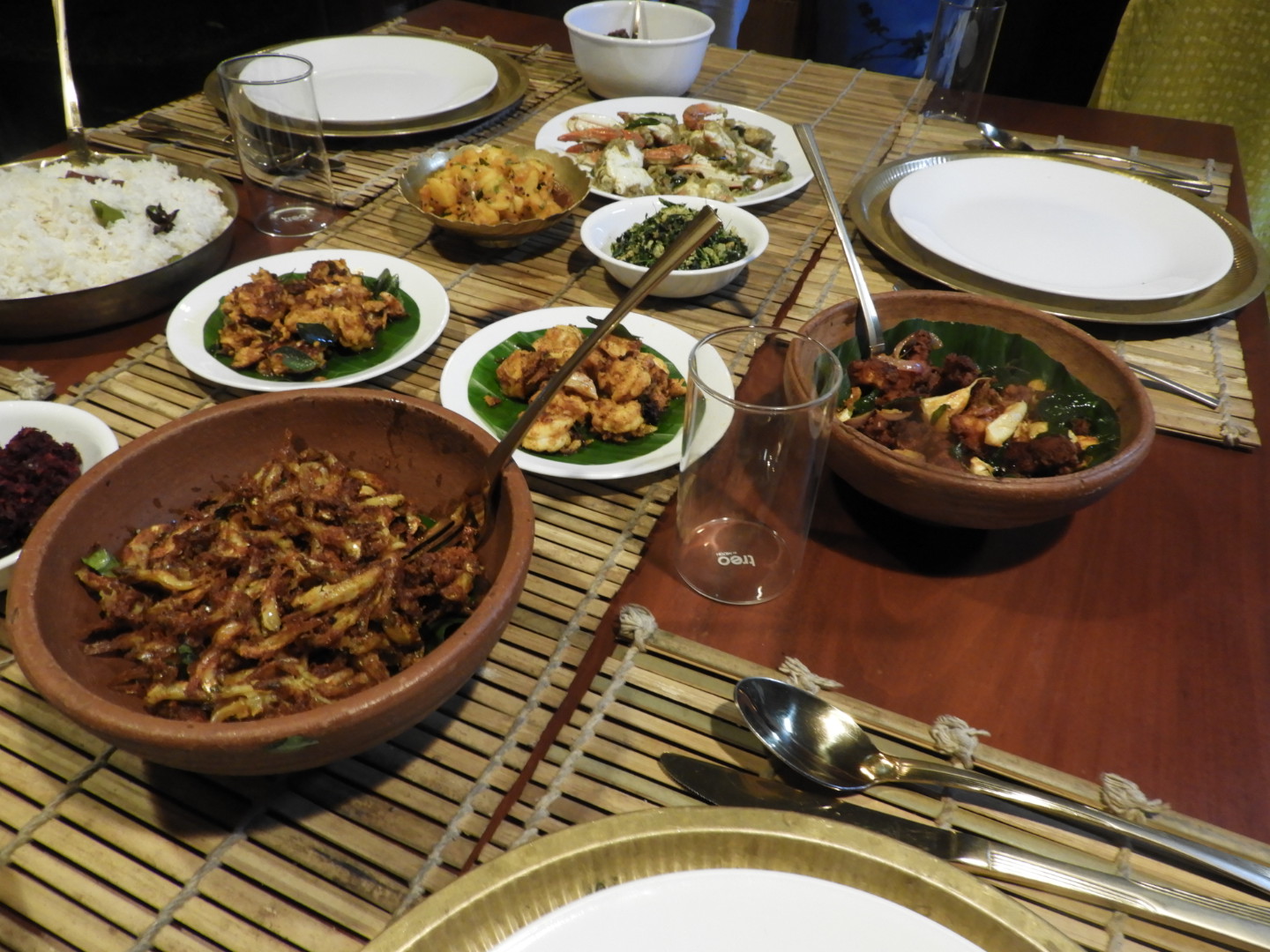
A fishy affair in our monsoon dinner table
Chakka Dishes
With the arrival of the monsoon comes the harvest of Kerala's beloved jackfruit, inspiring a range of traditional dishes that celebrate the season's abundance. Whether it is Chakka Puzhukku, Chakka Thoran, or the richly caramelized Chakka Varattiyathu, each preparation reflects the ingenuity of Kerala's home kitchens.
Tender jackfruit is transformed into hearty, nourishing meals with grated coconut, curry leaves, and simple spices, while ripe jackfruit is slowly cooked down into the treasured preserve known as Chakka Varattiyathu. Long before modern conveniences, jackfruit was a dependable seasonal harvest that sustained families through the rains, making these dishes enduring symbols of Kerala's culinary heritage and monsoon comfort.
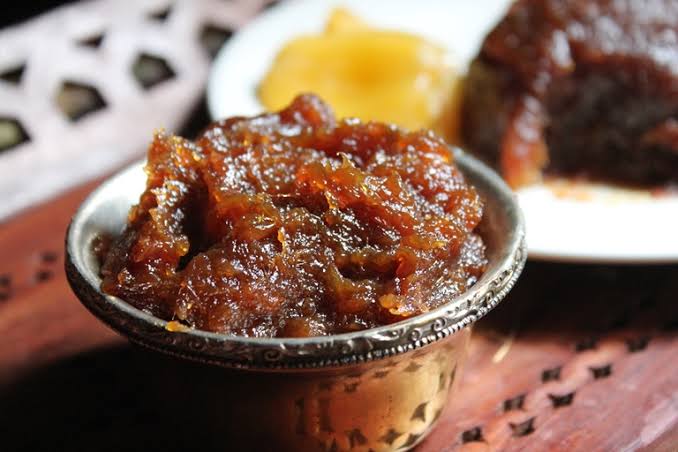
Chakka Varattiyathu (P.C: keralacookingrecipes.com)
Karimeen Pollichathu
Fresh from the backwaters, the prized pearl spot fish is marinated with spices, wrapped carefully in banana leaves, and slowly cooked until every flavour is beautifully infused.
The smoky aroma released when the banana leaf is opened is as much a part of the experience as the fish itself.
In places like Kumarakom, where the backwaters shape everyday life, Karimeen Pollichathu remains one of the region's most celebrated dishes.
There are many more interesting spicy fish meals beyond the popular Karimeen Pollichathu, click here to read more about them: https://wonderwerk.kitchen/blog/13/beyond-karimeen-pollichathu-5-traditional-spicy-fish-dishes-from-the-kumarakom-backwaters-of-kerala-that-celebrate-culinary-diversity-of-kerala
Duck Roast and Appam
The monsoon also welcomes richer meals.
Soft, lace-edged appams paired with slow-cooked duck roast create a feast that reflects the culinary traditions of Kerala's backwater villages. Tender meat, roasted spices, caramelised onions, and thick gravy combine with delicate fermented rice pancakes to create a meal that is both indulgent and deeply comforting.
Steamed Breakfasts
Rainy mornings in Kerala often begin with food that is light yet filling.
Puttu, idiyappam, and kozhukatta arrive steaming from the kitchen, accompanied by banana, kadala curry, vegetable stew, or freshly grated coconut.
These breakfasts demonstrate Kerala's remarkable ability to balance simplicity with nourishment.
Evening Comforts
As afternoon showers give way to misty evenings, another ritual quietly unfolds.
A glass of strong Kerala black tea arrives alongside freshly prepared Pazham Pori—golden banana fritters with crisp edges and a soft, sweet centre. Conversations slow down. Rain becomes background music.
And on days when the rain refuses to stop and stepping outside feels impossible, nothing feels more comforting than egg curry with warm appam—a humble meal that asks for very little effort while delivering abundant comfort.
More than food:The memories served alongside
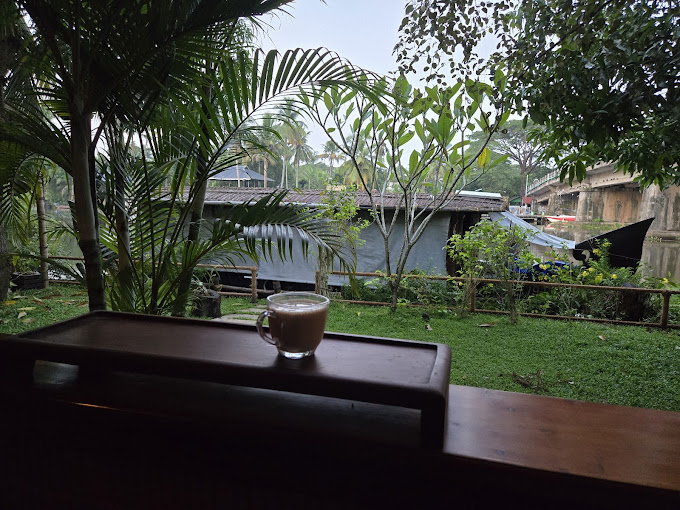
If you ask anyone who grew up in Kerala about the monsoon, there are chances that they won't begin by talking about the rain. They will remember coming home drenched from school, changing into dry clothes while the aroma of freshly made egg curry or spicy fish curry drifted from the kitchen. They are sure to remember grandparents insisting on an extra serving of pepper rasam when someone caught a cold. They will remember sitting on the veranda with a cup of hot tea and a plate of Pazham Pori, watching sheets of rain blur the coconut trees.
These are not simply recipes but the memories preserved through food. Every family has its own variations, its own secret spice combinations, and its own rituals. Yet the feeling remains universal: during the monsoon, food becomes the language through which care is expressed.
A season best understood through its food
The monsoon transforms Kerala in countless ways. Rivers swell, backwaters shimmer under grey skies, and villages take on a slower, quieter rhythm. But perhaps nowhere is this transformation more beautifully experienced than around the dining table. The dishes of the season are not simply delicious; they are the result of centuries of observation, adaptation, and cultural wisdom. They reflect the changing climate, the bounty of the land, and the traditions that continue to shape everyday life.
For travellers, tasting Kerala during the rains offers something far richer than a culinary experience. It is an opportunity to understand how a landscape influences a culture, how seasons shape recipes, and how food carries stories from one generation to the next.
In Kumarakom, where the monsoon gently embraces the backwaters and village life continues at its own unhurried pace, these traditions are still very much alive. Whether it is a bowl of medicinal kanji, spicy fish curry with steaming kappa, or a simple evening tea shared over Pazham Pori, every meal tells the story of a land that has always known how to welcome the rain.
Here's a sweet and simple recipe of Jackfruit fritters for you to enjoy the monsoon in your homes.
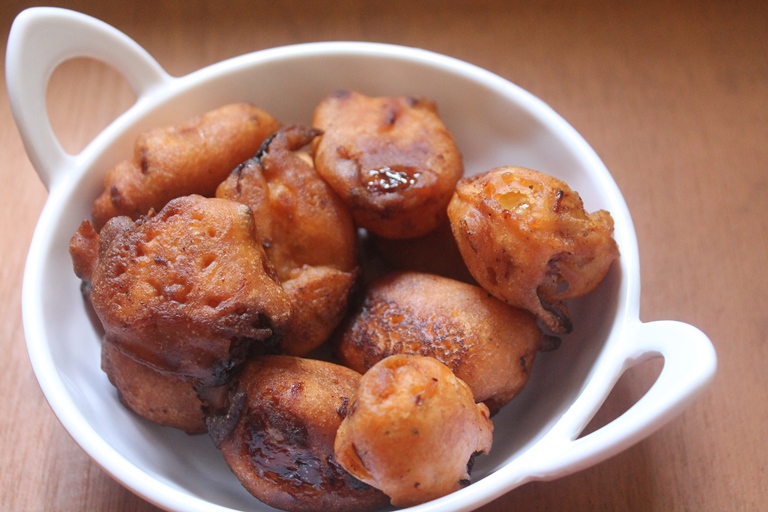
Chakka Appam (P.C: yummytummyaarthi)