

Our Lakshmi chechi loves making chammanthis and pickles. Under the warm sun, she would sit and prepare the spices that helped preserve the seasonal vegetables, or would dry, temper, mix, and blend the pulses for the podi, the dry chutney powder, which would see us through the monsoons when fresh food resources become scarce. She does not prefer quick cooking, unlike Sujathamma, and loves taking all the time needed to cook, serve, and truly relish the food.
Sujathamma is always in a hurry. She can cook delicious meals, but her heart resides in weaving intricate screw pine mattresses. Her cooking is efficient, never elaborate, yet always comforting.
Back in our childhood, we would run to Lakshmi chechi if we wished for a handful of tamarind pickle. When hunger struck us in the middle of play, Sujathamma would feed us a quick parippu vada, hot and crisp, straight from the uruli. They had their own passions to follow, yet their caring nature ensured we were never left unattended or unfed.
As we reminisced about these moments, one of our team members asked a simple but profound question: Is cooking a form of self-expression?
The answer, we realised, had always existed quietly in these kitchens, in these women, and in the choices they made every single day.
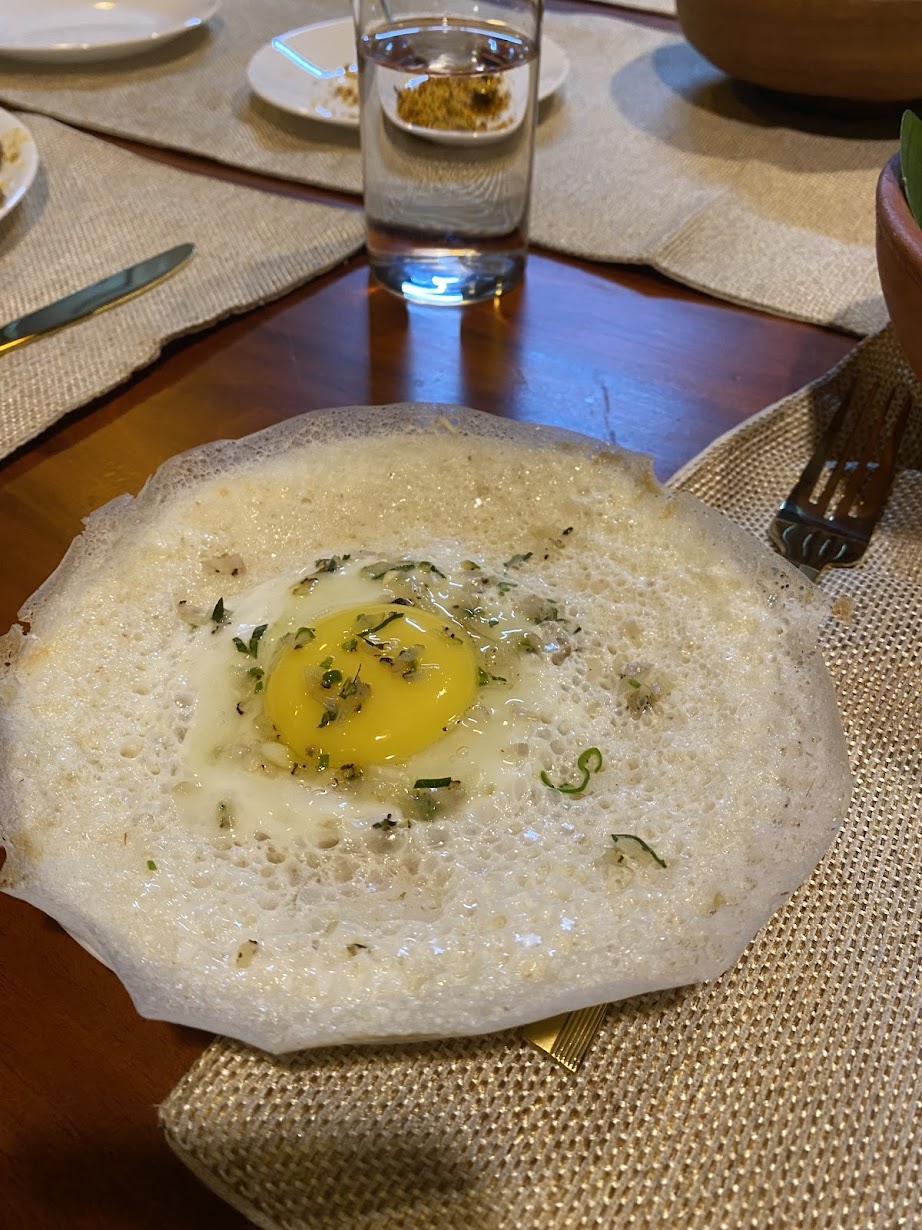
Cooking beyond recipes: A quiet language of identity
Cooking is often described as a skill or a responsibility, sometimes even reduced to routine. But in lived experience, cooking becomes something far more intimate. It is a quiet language through which people express who they are, what they value, and how they relate to the world.
Lakshmi chechi’s cooking unfolds slowly because her worldview values continuity and care. Her pickles are not hurried creations. They are acts of patience and foresight. Each jar carries knowledge of seasons, preservation, and survival. Her food reflects a desire to hold family traditions close and to protect them from being forgotten.
Sujathamma’s cooking, in contrast, mirrors her movement through life. Her meals are swift, nourishing, and purposeful. Cooking, for her, is not the destination but the support system that allows her to pursue her true calling— weaving. Where Lakshmi chechi pours her identity into food, Sujathamma channels hers into craft. Both are expressions of self, simply spoken through different media.
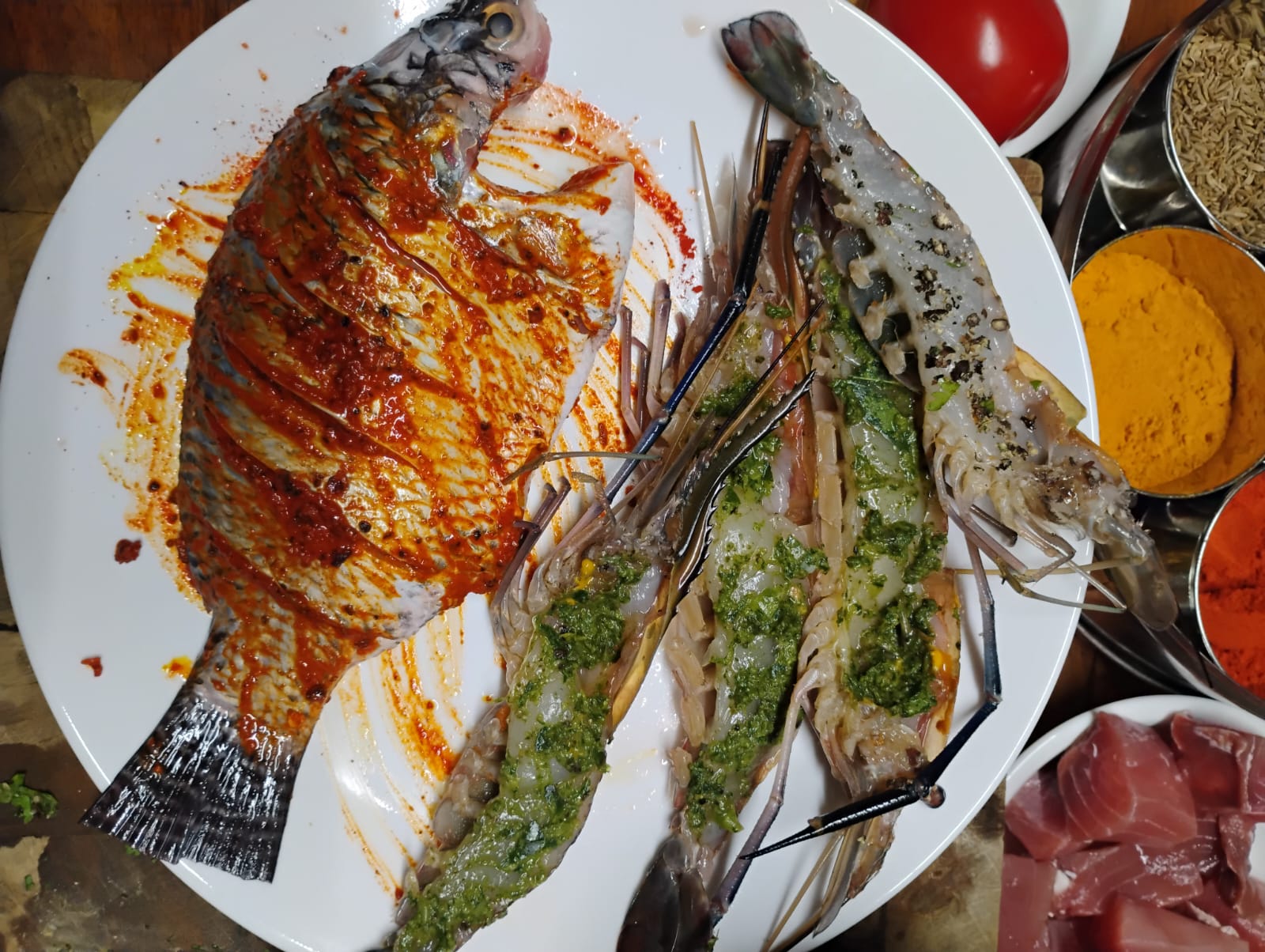
The way we cook often mirrors the way we inhabit our lives. Some people enjoy slow cooking, finding comfort in repetition, rhythm, and time. Others prefer quick, instinctive meals that leave space for other pursuits. None of the approaches is lesser; both are deeply honest.
Those drawn to slow cooking often value process, depth, and reflection. Those who cook quickly may value efficiency, adaptability, and momentum. People who enjoy baking often seek balance and precision, while intuitive cooks trust instinct and emotion.
Even our food preferences speak quietly about us. Comfort foods often carry nostalgia and memory. Spices reflect boldness, curiosity, or resilience. Simple meals can signal clarity and groundedness. In this way, the kitchen becomes a mirror, reflecting our inner landscapes through everyday choices.
Cooking as cultural memory and care
In traditional kitchens, especially in Kerala, cooking can't be separated from cultural memory. Recipes are rarely written. They are absorbed through watching, assisting, and years of shared labour. This makes cooking a form of embodied knowledge, passed from hand to hand.
Lakshmi chechi’s chammanthis and podis were shaped by necessity and wisdom. They emerged from seasons of abundance and scarcity, from monsoons that demanded foresight. These food items were not designed for indulgence but for continuity. Preparing them today reconnects us to that lineage of care.
Cooking, in this sense, becomes an act of remembrance. It preserves not just flavour, but ways of living, thinking, and surviving. It holds space for stories that might otherwise disappear.
The kitchen as a space of relationship
The kitchen is often the first place where we learn what care looks like. It is where children observe patience, generosity, urgency, and affection without words. Food prepared for another person carries emotion, intention, and a sense of presence.
As children, we experienced care through both Lakshmi chechi and Sujathamma. One offered us time and preservation, the other offered immediacy and warmth. Their approaches differed, but the love was unmistakable. Through them, we learned that self-expression does not need to be grand. Sometimes it arrives as a spoonful of pickle or a freshly fried vada placed in waiting hands.
Cooking as a path to self-discovery
We believe that to truly know yourself, you must try your hand at cooking. Not to master it, not to impress, but to observe yourself within it.
You can observe what draws you in. Do you enjoy slow cooking or quick whipping up? Do you gravitate towards savoury dishes or desserts? Do you find calm in the process or energy in the outcome?
These answers are rarely about food alone. They reveal temperament, patience, creativity, and emotional rhythms. Cooking is not about performance, but, while being alone in the kitchen, responding to heat, taste, and time, we often meet ourselves most honestly.
Everyday creativity at Wonderwerk Kitchen
At Wonderwerk, we see cooking as a living craft—one that exists alongside weaving, storytelling, and other traditional practices. Much like these crafts, cooking carries the imprint of the maker. Even the simplest meal involves choice, intuition, and care.
Creativity does not always demand a canvas. Sometimes, it unfolds quietly in everyday acts. An uruli on the stove, spices in the palm, time moving slowly or swiftly—these are all expressions of being.
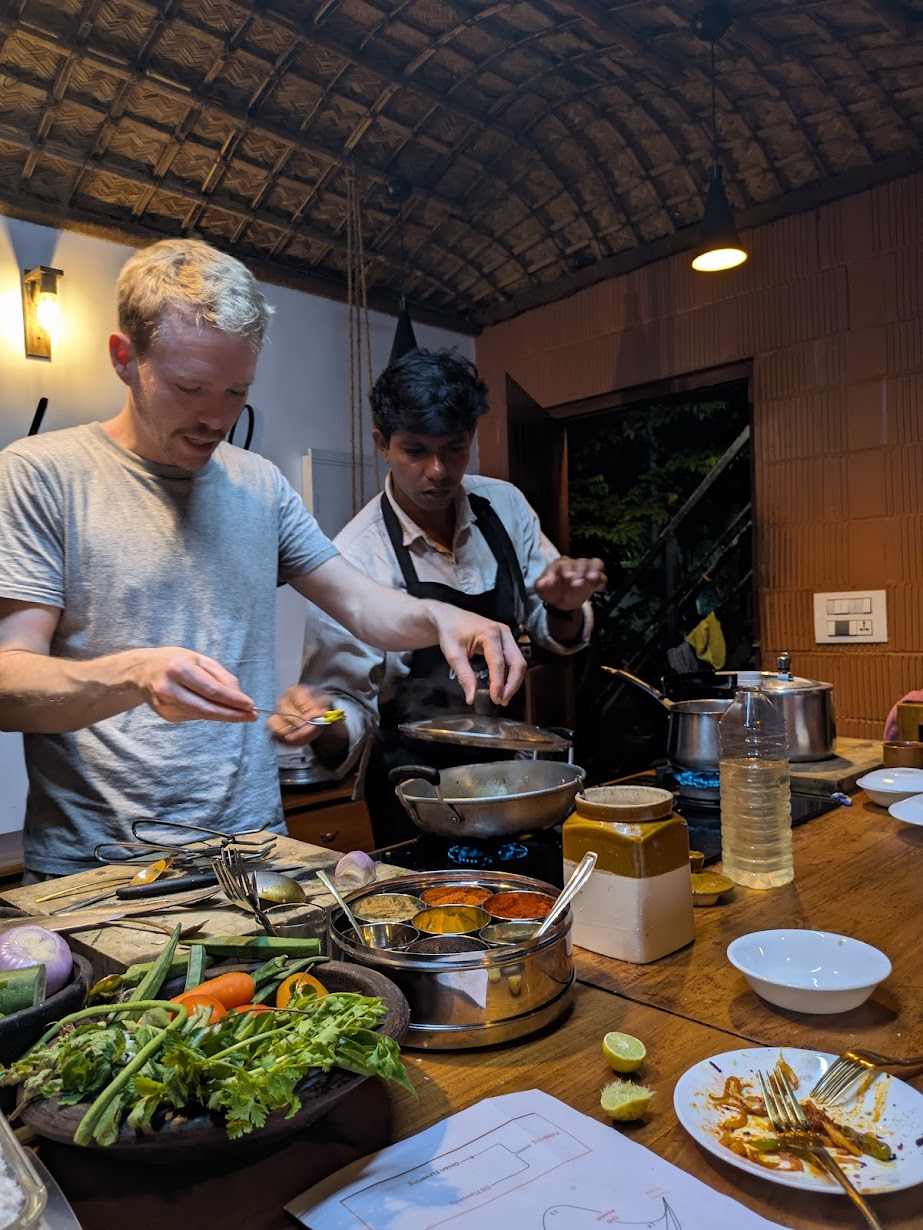
In closing:
Yes, indeed, cooking expresses who we are and which part of us we bring to the table. Lakshmi chechi and Sujathamma taught us that self-expression does not need explanation. It simply needs space.
Whether you cook slowly or swiftly, whether you preserve or improvise, your food carries your story. And when we begin to listen closely to that story, we often discover parts of ourselves we had not noticed before.
At Wonderwerk, we honour these quiet expressions because some of the most meaningful stories are not spoken. They are cooked.